

What to Gift My Best Friend? Thoughtful Ideas That Feel Personal
Wondering what to gift my best friend? Explore caring, budget friendly ideas for every occasion in Pakistan, from cud...
View Details
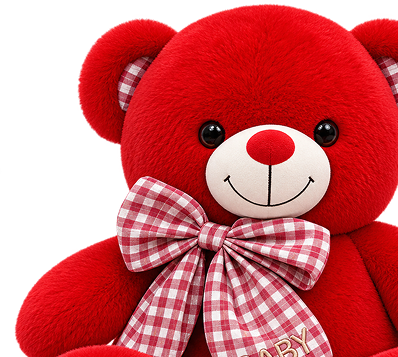
A plush toy is a soft, stuffed toy sewn from plush fabric, a material with a cut pile that gives it a thick, velvety feel. The fabric is packed with stuffing (usually polyester fiberfill) and formed into animals, characters or imaginary creatures.
The name 'plush' traces back to the French word peluche, which means shaggy fabric. These days it describes any soft stuffed toy with that familiar velvety finish.
Depending on who you talk to, plush toys are also called stuffed animals, soft toys, plushies or cuddly toys. What really defines them is the fabric, the softness and the stuffed build.
Knowing how a plush toy is put together makes it much easier to separate a well-made toy from a poorly made one.
The outer layer is plush fabric, most often polyester plush. It is soft, hard-wearing, washable and comes in many textures, from short-pile velvet to long, fluffy fur. You can judge quality by the pile density. A good plush toy has a thick, even pile that does not thin or go flat after a few washes.
The inside of a plush toy is filled with polyester fiberfill, which is hypoallergenic, light and washable. Better toys use a denser fill that springs back after being squeezed. Cheap fill gets permanently squashed and makes the toy lumpy over time.
Eyes, noses and other decorations are either embroidered straight into the fabric, which is the safest choice, or fixed with plastic safety eyes locked in place behind the fabric. Button eyes or glued-on features are a warning sign on any toy meant for children, because they can come off and become a choking hazard.
There are far more kinds of plush toys than most people expect. Here are the main categories.

The original and best-known type, modelled on real animals such as tigers, bears, rabbits, penguins, cats and monkeys. This is what most people imagine when they hear the words plush toy. Styles go from lifelike to cartoon-like, and sizes from palm-sized to life-sized. Our stuffed animals collection brings together a carefully chosen range of animal plush toys, each picked for softness, stitching quality and long-lasting appeal.
Based on fictional or original characters, each with its own personality, colours and expression that make it easy to recognise. Lilly, our pink plush toy, is a good example: a soft pink character made from premium velvety plush. She is exactly the kind of toy a child gives a name to within the first hour.
Made especially for infants and very young toddlers. They have no detachable parts, use embroidered features only and are made from ultra-soft, hypoallergenic materials. They are usually smaller and lighter so little babies can grip them easily.
Supersized versions of classic plush animals or characters. They are a popular choice for statement gifts and often serve as room decor as much as toys. Ideal for older children who want something eye-catching.
A fast-growing category of plush toys shaped like food, everyday items or abstract forms, such as strawberries, clouds and avocados. They are loved by teens and adults as well as children.
Plush toys do much more than keep children busy. Here is what both research and common sense tell us.
Psychologists describe a child's favourite soft toy as a transitional object, something that comforts them during stress, time away from parents or new situations. Children use plush toys to calm themselves in ways that build real emotional resilience. This is not a sign of immaturity. It is a normal part of healthy development.
Plush toys have no fixed purpose. A stuffed tiger can be a pet, a friend, a patient, a pupil or a superhero, depending on the game. This kind of free, unscripted pretend play is one of the biggest drivers of a child's cognitive development.
Children naturally act out social situations with their plush toys: feeding them, tucking them into bed and introducing them to other toys. Practising social scenarios in this way helps children understand relationships, empathy and communication.
A soft, safe plush toy in the cot or bed can help children learn to fall asleep on their own. The familiar texture and weight act as a steady sensory signal of safety and calm.
Not every plush toy is worth your money. Here is how to pick one that will last and stay safe.

For babies under 12 months, only choose toys with fully embroidered features, no ribbons, no buttons, and light enough for the baby to push away if it lands on their face. For toddlers aged 1 to 3, focus on sturdy construction and easy washing. For children aged 3 and over, a wider range is fine, including plastic safety eyes, accessories and smaller sizes.
Before you buy, check for tight, even seams with no gaps, embroidered or securely locked features that do not wobble or pull out, dense filling that keeps its shape when squeezed, and a care label confirming the toy can go in the washing machine.
For a newborn or a baby shower, go for a small, ultra-soft toy with no hard parts. For a toddler's birthday, choose something bright, fun and machine-washable. For a girl, a character plush toy with a clear personality, such as a pink plush toy, is often the gift she remembers most. For Eid or another special occasion, a high-quality stuffed animal from a curated collection stands out from generic options.
These two terms are often used interchangeably, and most of the time that is fine. Stuffed animals refers specifically to soft toys shaped like real or recognisable animals. Plush toys, or plushies, is the wider category: it includes animals but also characters, food shapes, fantasy creatures and abstract designs. Every stuffed animal is a plush toy, but not every plush toy is a stuffed animal.
At Love and Kids, our stuffed animals range covers the classic animal designs, while our wider collection also includes character plush toys like Lilly.
Soft plush toys with no detachable parts, buttons or ribbons can be used with newborns during supervised awake time. For sleep, follow safe sleep guidelines and keep the cot clear until the baby is at least 12 months old.
Most good-quality plush toys can be machine washed on a gentle, cool cycle. Always read the care label first. Air drying is best for keeping the fabric's shape and softness.
There is no upper age limit for plush toys. They are made with specific safety features for different age groups, but the comfort and happiness they bring last from infancy right through adulthood.
For practical purposes, yes. A stuffed toy is filled with stuffing, and a plush toy is made from plush fabric. Most soft toys are both: filled with fibrefill and covered in plush fabric.
Look at the seam stitching, how dense the filling is, how the features are attached, how even the fabric pile is, and whether the toy is machine washable. A good plush toy feels just as nice after its hundredth wash as it did after its first.
Wondering what to gift my best friend? Explore caring, budget friendly ideas for every occasion in Pakistan, from cud...
View DetailsSearching for learning toys for 3 year olds? Explore top picks, the skills they develop, safety tips and practical bu...
View DetailsDiscover the best educational toys for a 2 year old in Pakistan. Safe, playful picks that support speech, counting an...
View Details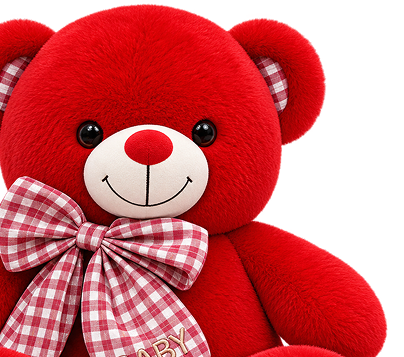
Sign up for early access to new arrivals, exclusive deals and fresh gifting ideas.


